
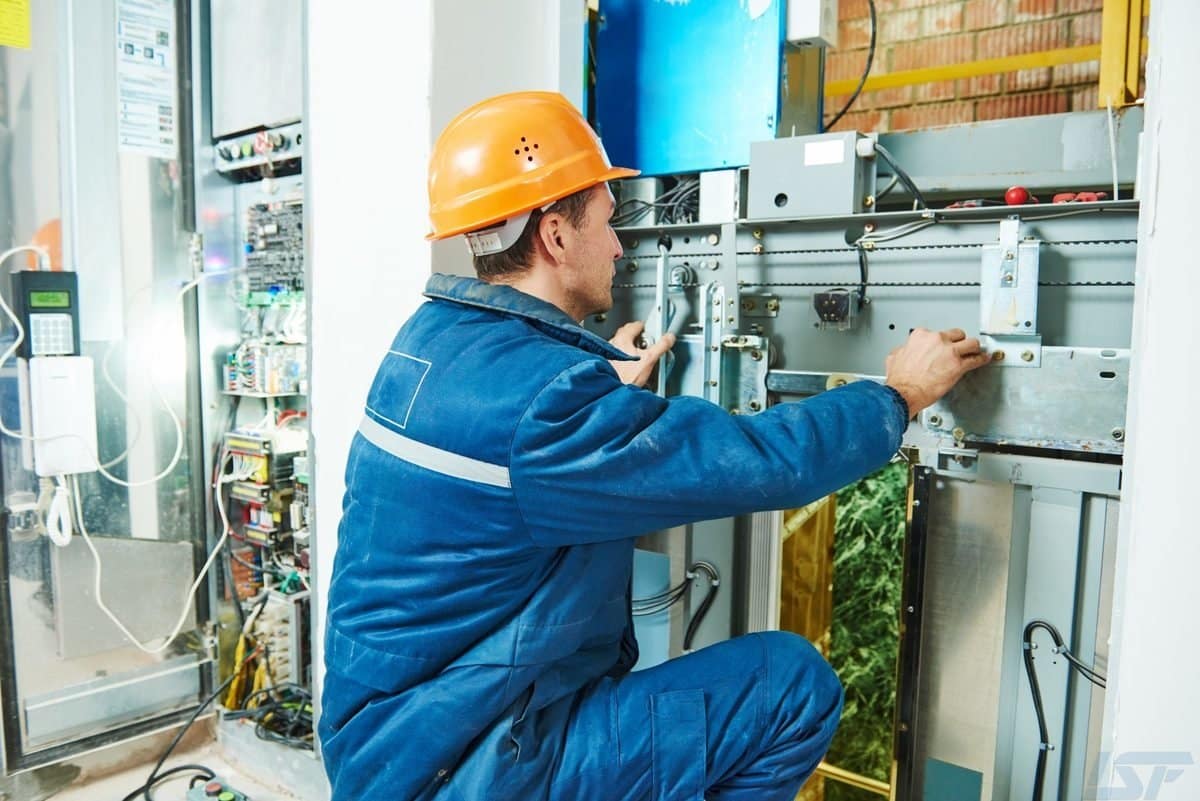
The System That Moves a Building
Every day, dozens of people step into your elevator without a second thought. They press a button, watch the doors close, and expect a smooth ride to their floor. But behind that simple motion lies a complex machine, one that depends on regular attention to stay reliable.
In Miami’s fast-paced commercial and residential spaces, an elevator is more than a convenience; it’s a necessity. And like any piece of heavy equipment, it works best when it’s maintained consistently. Yet many building owners only call for help when something breaks.
If you want to prevent costly breakdowns, safety risks, and downtime, this Miami Elevator maintenance checklist will help you keep your lift operating at peak performance.
Why Elevator Maintenance Matters in Miami
Miami’s environment puts extra stress on machinery. The combination of humidity, salt in the air, and frequent usage means elevators in the city face wear and corrosion faster than most. A structured elevator maintenance schedule Miami property managers follow is the key to minimizing repairs and ensuring safe, efficient operation.
When you maintain your elevator consistently, you:
- Improve elevator safety for all passengers
- Extend the equipment’s lifespan
- Reduce unexpected repair costs
- Keep your building compliant with Miami-Dade regulations
- Maintain smooth operation and shorter wait times
Preventive care is far cheaper, and far safer, than emergency repairs.
The Essential Miami Elevator Maintenance Checklist
The following checklist covers the areas every property owner should review or have inspected by professionals regularly.
1. Inspect Doors and Sensors
The doors are the most used, and most abused, parts of any elevator. Dust, misalignment, or worn rollers can cause doors to stick or close too early.
Regular inspection includes checking:
- Door tracks for debris buildup
- Sensors to ensure they detect passengers correctly
- Door panels for dents or signs of warping
- Timing mechanisms to confirm smooth opening and closing
A clean and properly calibrated door system prevents many common safety hazards.
2. Check the Control Panel and Call Buttons
Malfunctioning call buttons can signal deeper electrical issues. Inspectors typically:
- Test button lights and wiring connections
- Review digital displays for error codes
- Ensure emergency buttons and alarms respond immediately
Keeping controls functional not only improves efficiency but also supports compliance with local elevator safety standards.
3. Examine the Cab Interior
Passengers notice the interior first, so maintenance here matters for both safety and appearance. Include these in your routine:
- Inspect lighting fixtures and replace dim bulbs
- Clean vents to prevent dust buildup
- Check flooring for wear or moisture damage
- Test emergency communication systems
Well-maintained interiors create confidence in your Miami Elevator system and keep the ride experience professional.
4. Test the Braking System
Safety brakes are the most critical component of your elevator. If they fail, so does your system. Regular checks ensure they engage properly and can stop the cab under full load.
Professional technicians will:
- Test emergency brakes and backup systems
- Inspect cables, pulleys, and tension
- Verify lubrication to prevent friction damage
Never skip brake tests, they form the foundation of elevator safety in every building.
5. Review the Machine Room and Motor Components
The motor room is where performance truly begins. Over time, oil, dirt, and vibration cause components to wear.
Your elevator maintenance schedule Miami professionals follow should include:
- Checking oil levels and replacing worn fluids
- Cleaning motor components and cooling fans
- Inspecting belts, gears, and bearings for noise or overheating
- Testing power supply stability and electrical connections
Consistent attention here ensures long-term reliability and prevents sudden shutdowns.
6. Monitor Elevator Leveling and Ride Quality
A smooth stop and steady start are signs of a well-tuned lift. Misleveling, when the cab stops slightly above or below the floor, can create tripping hazards and damage floor edges.
Maintenance should always include:
- Ride testing under various loads
- Level calibration
- Checking acceleration and deceleration smoothness
These adjustments keep your elevator operating efficiently and safely.
7. Keep Up with Cleaning and Lubrication
Every moving part needs lubrication to prevent friction. In humid cities like Miami, improper lubrication can cause rust and unnecessary wear.
Include these steps in your monthly Miami Elevator care routine:
- Wipe and lubricate door tracks
- Apply the correct oil to bearings and cables
- Clean dust from fan vents and motor housings
- Keep the pit area dry and debris-free
Cleanliness improves both performance and longevity.
Performance Tips for Long-Term Efficiency
Small habits can make a big difference in your elevator’s lifespan. Here are a few performance tips to incorporate into your maintenance routine:
- Log every inspection: Keep a digital record of your maintenance schedule and repairs.
- Schedule preventive visits quarterly: Don’t wait for something to break before calling a technician.
- Upgrade old components: Replace outdated controllers or wiring for better energy efficiency.
- Educate staff: Teach building personnel how to spot issues early, like slow doors or unusual noises.
These practices ensure your Miami Elevator system continues running safely and efficiently.
The Role of Professional Maintenance Services
While basic inspections can be handled internally, comprehensive servicing must be done by licensed professionals. Certified technicians understand Miami’s building codes, safety protocols, and mechanical systems that go beyond surface-level cleaning.
Professional maintenance provides:
- Full diagnostic testing
- Code compliance verification
- Safety certification
- Predictive repair recommendations
Partnering with a trusted service provider ensures every part of your elevator, from cables to control boards, functions flawlessly.
Stay Safe and Reliable with Clark Elevator Company
Miami’s Trusted Partner for Elevator Care
A dependable elevator is one that receives consistent, expert care. At Clark Elevator Company, we specialize in full-scale Miami Elevator maintenance, from monthly tune-ups to annual safety inspections.
Our team creates customized elevator maintenance schedule Miami property owners can rely on, keeping every system compliant, quiet, and efficient. We don’t just fix problems, we help you prevent them through advanced diagnostics, energy-saving solutions, and precise maintenance routines.
When it comes to elevator safety, you can count on Clark Elevator Company to keep every ride smooth, secure, and worry-free.
Contact Clark Elevator Company today to schedule a full inspection or consultation and discover how proactive maintenance keeps your building moving safely and efficiently all year long.
FAQs – Keeping Your Miami Elevator Safe, Smooth, and Reliable
1. How often should I have my elevator serviced in Miami?
In a climate as demanding as South Florida’s, elevators need consistent attention. Most commercial and residential systems benefit from monthly inspections and a deeper quarterly service. The humidity, salt, and frequent use in coastal areas make wear occur faster than many realize. Following a structured elevator maintenance schedule Miami property owners rely on ensures that lubrication, safety checks, and system updates are always up to date. This consistency not only prevents downtime but also extends your elevator’s lifespan by several years.
2. What are the most common elevator issues in Miami buildings?
The tropical environment creates a few predictable challenges. Humid air leads to corrosion on cables and electrical components. Dust from construction or nearby roads can affect door sensors and track alignment. Power fluctuations during storms sometimes trigger control panel errors. Routine Miami Elevator maintenance identifies these problems before they cause shutdowns, saving owners the cost and frustration of emergency repairs.
3. Why is elevator safety inspection so crucial?
Elevators move people, not just materials, so every component must work perfectly. Safety inspections verify that brakes engage correctly, emergency communication systems function, and sensors respond instantly when a door is blocked. Regular elevator safety checks aren’t optional, they’re required by local regulations to protect everyone who steps inside. A well-documented inspection history also helps property managers avoid liability if incidents occur.
4. How does cleanliness affect elevator performance?
More than most realize. Dust or debris in door tracks can cause sticking, and dirt buildup around pulleys or fans can lead to overheating. Keeping interiors and mechanical spaces clean ensures smoother operation and reduces wear. Professional maintenance crews include cleaning as part of their routine because spotless machinery performs better and lasts longer. These simple performance tips can make rides quieter and extend the life of critical parts.
5. What can building staff do between professional visits?
Your staff plays a key role in daily upkeep. Encourage them to listen for changes in noise, note slow door movement, or report any flickering lights or vibrations during rides. Small irregularities often reveal early warning signs of deeper issues. Staff can also keep the cab clean, monitor ventilation, and make sure the pit area stays dry. Acting quickly on these observations gives your Miami Elevator technicians a head start in preventing breakdowns.
6. How can I improve the energy efficiency of my elevator?
Energy-efficient elevators are great for both sustainability and cost savings. Upgrading to LED cabin lights, using regenerative drives that recycle braking energy, and maintaining proper lubrication all reduce power use. Including these upgrades in your elevator maintenance schedule Miami technicians manage helps your system run smoother and consume less electricity, an advantage that’s especially valuable for high-traffic buildings.
7. Are there local laws that require regular elevator inspections?
Yes. Miami-Dade County enforces strict guidelines for elevator safety inspections. Buildings must schedule regular reviews by certified professionals and display current compliance certificates. Missing inspections or skipping documentation can lead to fines or service shutdowns. Working with licensed companies like Clark Elevator Company ensures every visit meets city codes and keeps your elevator legally and safely operational.
8. How long can an elevator last with proper maintenance?
With a consistent elevator maintenance schedule Miami experts recommend, most elevators last 20 to 25 years, sometimes even longer. The difference lies in preventive care. Regular servicing keeps motors lubricated, cables balanced, and electrical parts free of corrosion. Buildings that stick to a structured plan often avoid full replacements for decades, saving thousands in capital costs.
9. What happens if I delay maintenance even for a few months?
It might seem harmless, but small delays can lead to bigger problems. Lubrication dries up, dust builds on sensors, and humidity accelerates rust. Before long, your system starts showing signs like jerky rides, uneven stops, or longer wait times. Skipping even one service cycle increases the risk of equipment failure. Staying on track with your Miami Elevator maintenance plan is the easiest way to avoid sudden shutdowns and expensive part replacements.
10. Why should I choose Clark Elevator Company over other providers?
Because we combine technical skill with genuine care for every client. Clark Elevator Company creates customized elevator maintenance schedule Miami programs that suit each building’s usage, size, and design. Our team handles every aspect, from routine safety checks to complex modernization projects, with the precision and transparency that property managers trust. We focus on reliability, compliance, and long-term performance, ensuring your elevator stays safe, efficient, and ready for every passenger, every day.