
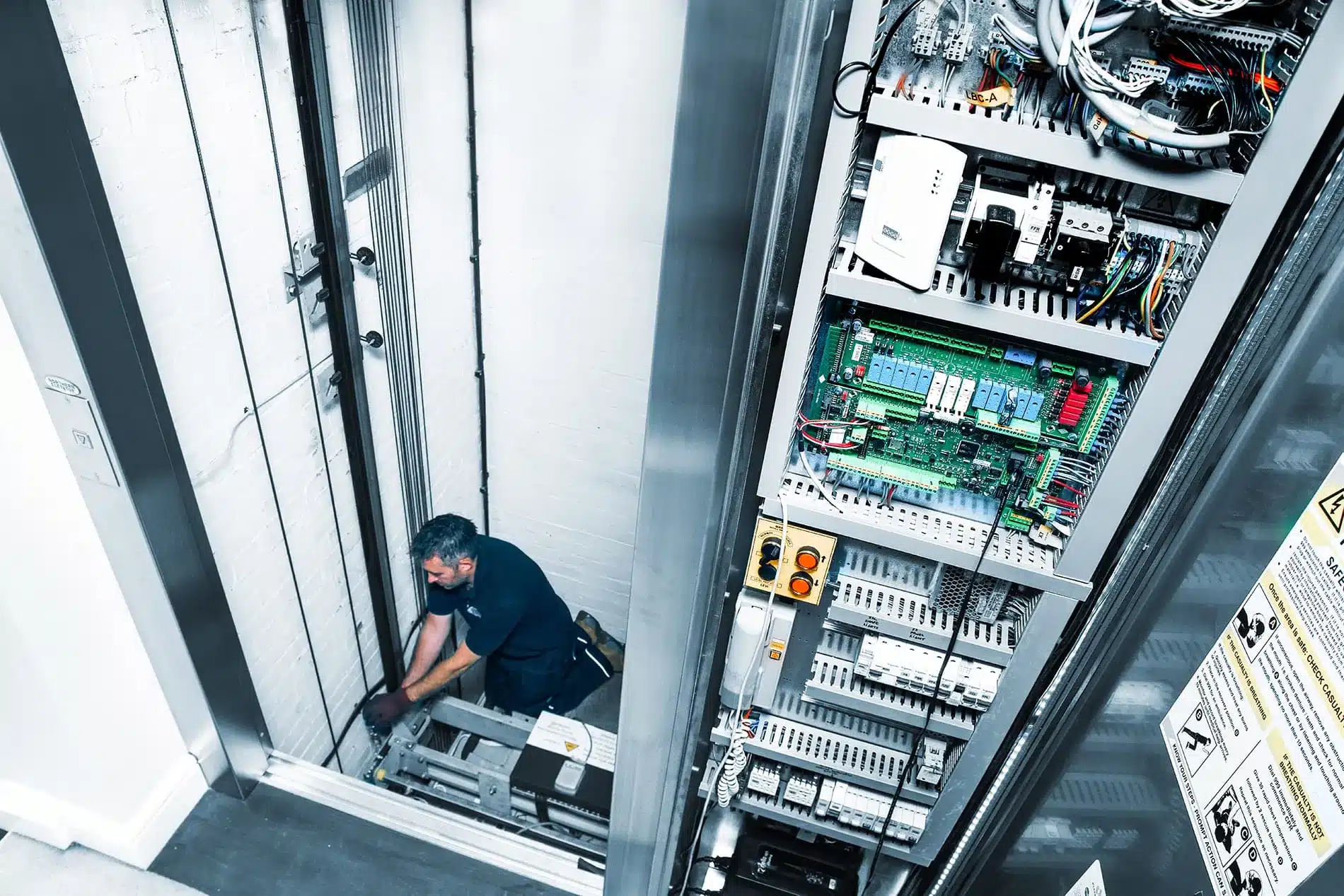
If you manage or own a building in Miami, elevator safety is one of the most important responsibilities you carry. Elevators move hundreds of people every day, and in Florida, they must be inspected regularly to meet strict state safety codes. Missing these inspections can result in fines, shutdowns, or worse, an unsafe ride for tenants and visitors.
To stay ahead, you need to understand how often Miami elevator inspections are required, what inspectors look for, and how to prepare for 2025 compliance.
Elevator Inspection Frequency in Florida
In Florida, most elevators must undergo a full inspection once every year. This is a statewide requirement set by the Department of Business & Professional Regulation (DBPR). A licensed inspector must review your elevator annually to confirm it is operating safely and in compliance with state building codes.
However, some buildings benefit from more frequent inspections:
- High-traffic buildings such as hotels, hospitals, and large office towers often schedule semi-annual checks to reduce downtime.
- Older elevators may require additional inspections because parts wear faster and repairs need to be verified more closely.
- Post-repair inspections are sometimes required after major upgrades or replacements before the system can return to service.
For property managers, the lesson is clear: annual inspections are the minimum, but some elevators demand more attention to remain reliable.
Why Annual Inspections Are Required
Florida’s annual inspection requirement is about more than compliance. It ensures elevators are safe for daily use, prevents breakdowns, and helps limit liability for building owners.
Regular inspections serve four main purposes:
- Passenger safety – catching hazards such as faulty doors, worn cables, or emergency system failures.
- Compliance – meeting the DBPR’s strict codes to keep your elevator legally operational.
- Prevention – identifying wear and tear before it becomes a costly repair.
- Liability protection – maintaining records that prove you have taken steps to keep passengers safe.
When you schedule timely Miami elevator inspections, you are protecting your tenants, your investment, and your reputation.
What Inspectors Look For: Elevator Inspection Checklist in Miami
A licensed inspector follows a detailed elevator inspection checklist in Miami to evaluate safety and performance. Some of the most important items include:
- Doors and sensors to ensure they open, close, and detect obstructions correctly.
- Emergency systems such as phones, alarms, and backup power.
- Brakes, cables, and counterweights to confirm safe operation and wear levels.
- Control systems including buttons, call panels, and leveling accuracy.
- Ride performance to detect jerky movement, vibrations, or noise.
- Certificates and signage to make sure compliance information is posted and current.
This checklist helps ensure that nothing is overlooked and that the elevator can continue operating safely.
2025 Compliance Checklist for Elevator Owners
As 2025 begins, building owners in Miami should have a clear plan for staying compliant. Here is a step-by-step checklist to guide you:
- Verify inspection dates – confirm that your last inspection was within the past 12 months.
- Book early – inspection providers fill their schedules quickly as renewal dates approach.
- Maintain detailed records – keep a log of inspections, repairs, and service calls.
- Prepare your equipment – make sure access to machine rooms and shafts is clear on inspection day.
- Plan for modernization – older systems may require upgrades to meet new state codes.
Following this plan ensures you remain compliant while keeping your elevators reliable and safe for everyday use.
Get Reliable Miami Elevator Inspections with Clark Elevator
Staying compliant in Florida isn’t only about following the rules but also about keeping tenants safe and avoiding the financial and legal risks that come with missed inspections. As you plan for 2025, the most effective way to stay ahead is to partner with a team that knows Miami’s codes inside and out.
That’s why so many property owners rely on Clark Elevator. We focus on Miami elevator inspections and provide more than just a once-a-year check. Our team helps you plan inspection schedules, prepare maintenance logs, and ensure your elevators remain safe long after the inspection is complete.
Here’s what you can expect when working with us:
- Certified inspectors licensed under Florida’s DBPR standards.
- Flexible scheduling so your annual inspection is never delayed.
- Detailed compliance reports that make record-keeping easy.
- Full-service expertise, including elevator repairs and modernization.
With Clark Elevator, you are not only meeting inspection deadlines, you are gaining a trusted partner who helps protect your building and everyone who uses it.
Schedule your 2025 Miami elevator inspection today by contacting our team through our contact page.
FAQs
1. How often must elevators be inspected in Florida?
Florida law requires elevators to be inspected at least once every year by a licensed inspector. This annual inspection confirms that the system meets safety standards set by the DBPR. In some cases, such as older equipment or heavy-use buildings, additional inspections may be recommended to maintain reliability.
2. Who regulates elevator inspections in Miami?
Elevator inspections in Miami are regulated by the Florida Department of Business & Professional Regulation. This agency sets the standards for inspections, licenses inspectors, and ensures building owners comply with safety rules. Working with a licensed inspection company such as Clark Elevator guarantees that your inspections meet DBPR requirements.
3. What happens if I miss an annual inspection deadline?
If you miss the required inspection, your elevator certificate can expire. This may lead to fines, a forced shutdown of the elevator, or increased liability in the event of an accident. Staying on schedule with Clark Elevator means you avoid penalties and maintain a safe environment for building occupants.
4. Can building staff perform elevator inspections?
No. Only licensed inspectors are permitted to conduct official compliance inspections in Florida. While maintenance staff can perform routine daily or weekly checks, they cannot issue the certification needed to meet state requirements. That certification must come from a licensed inspector such as Clark Elevator’s team.
5. What does an annual elevator inspection include?
An annual inspection covers doors, brakes, cables, emergency systems, ride quality, control systems, and posted signage. Inspectors follow a detailed checklist to evaluate both performance and safety. Clark Elevator provides comprehensive reports so property owners know exactly what was reviewed and what needs attention.
6. Do elevators need inspection after repairs or modernization?
Yes. Whenever major repairs or modernization work is completed, the elevator may need to be re-inspected before returning to service. This ensures that the new components meet code and that the system operates safely after upgrades.
7. How long does a Miami elevator inspection take?
Most inspections take one to two hours per elevator. Factors such as system complexity, age of the equipment, and accessibility can extend the time. Clark Elevator works efficiently while ensuring nothing is overlooked.
8. How should I prepare for an elevator inspection?
Make sure the elevator machine room and shafts are clear and accessible. Keep maintenance logs available, since inspectors may review service history. Clark Elevator also advises property managers in advance on what to prepare so the inspection runs smoothly.
9. What does an elevator inspection cost in Miami?
Costs vary depending on the number of elevators, their type, and any additional testing required. Clark Elevator provides transparent pricing and detailed estimates so building owners know what to expect before the inspection begins.
10. Why choose Clark Elevator for 2025 inspections?
Clark Elevator combines local expertise, DBPR licensing, and decades of experience. Our inspectors not only keep your building compliant but also identify maintenance issues early, saving you money and reducing downtime. By choosing Clark Elevator, you gain a partner who ensures safety, compliance, and smooth operation of your elevators.